
Dali vs. Lijiang vs. Shangri-La: Which Truly Deserves Your Limited Vacation Days?
Stop guessing how to split your time across Yunnan's Golden Triad. Here is the honest, field-tested breakdown of their three distinct souls — and how to allocate your 5, 8, or 12 days with zero regrets.

Yunnan Itinerary Architect · Over 500 Bespoke Inbound Journeys Curated
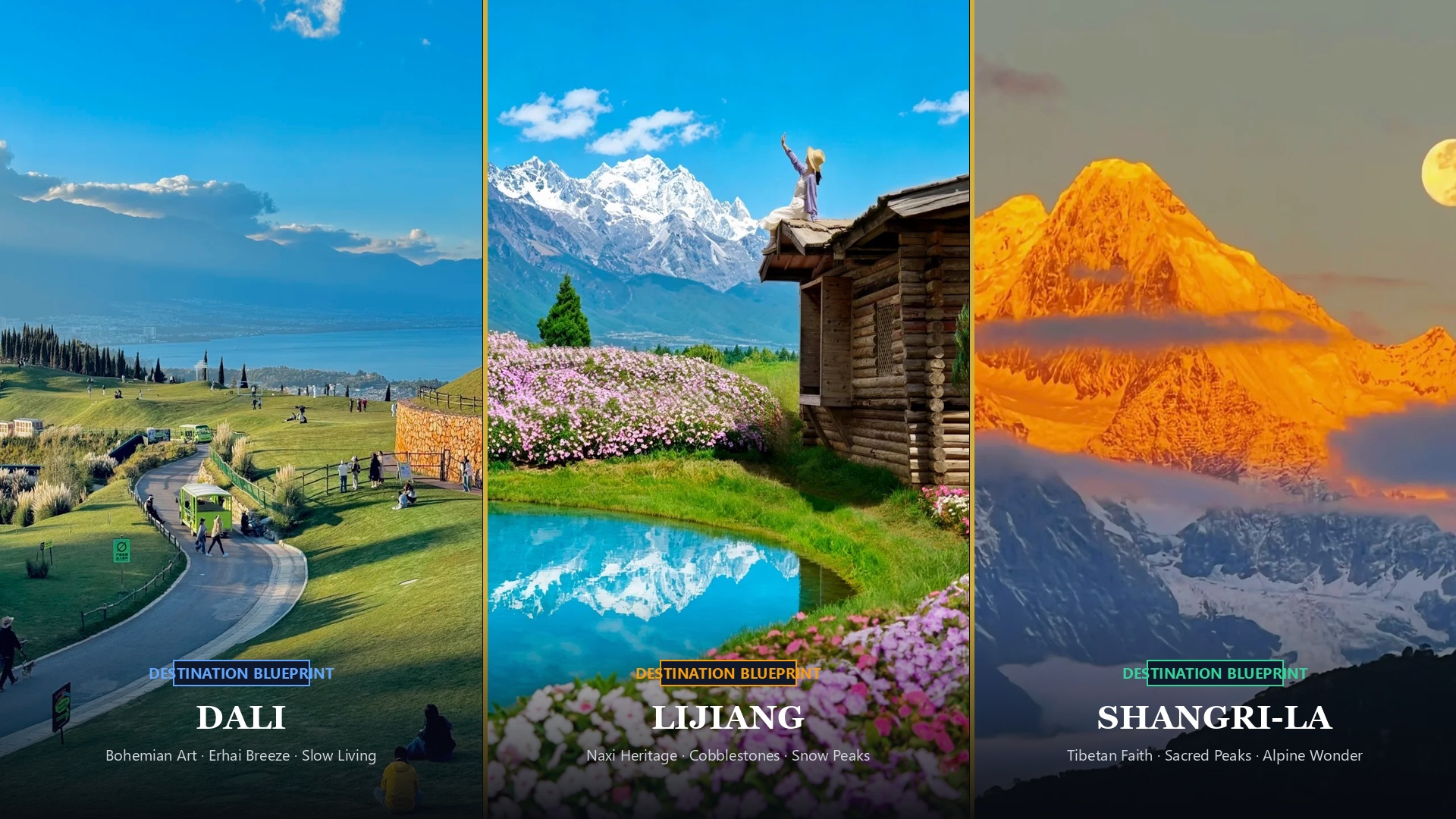
🧭 The Golden Triad Thesis
Almost every international traveler booking a holiday to southwestern China asks the exact same question: “Should I skip Dali? Is Lijiang too touristy? Is Shangri-La too far?”
The fundamental mistake most travelers make is treating these three places as interchangeable items on a tourist checklist. They are not. They are three completely different worlds, operating at different altitudes, under different cultural philosophies, with radically different emotional rhythms.
- 1. The Three Distinct Souls: An Intimate Portrait
- 2. Dali: Wind, Lake & The Art of Doing Nothing
- 3. Lijiang: Timber Courtyards & Living History
- 4. Shangri-La: Sacred Peaks & Wild Luxury
- 5. Head-to-Head Decision Matrix (Infographic)
- 6. Scientific Day-Allocation Models (5, 8 & 12 Days)
- 7. Frequently Asked Questions
- 8. Get Your Custom Route Diagnostic with Emily
01.Dali: Wind, Lake & The Bohemian Art of Slow Living
Sitting at a gentle 1,970 meters above sea level, Dali is framed by the dramatic 4,000-meter peaks of the Cangshan Mountains to the west and the vast expanse of Erhai Lake to the east.
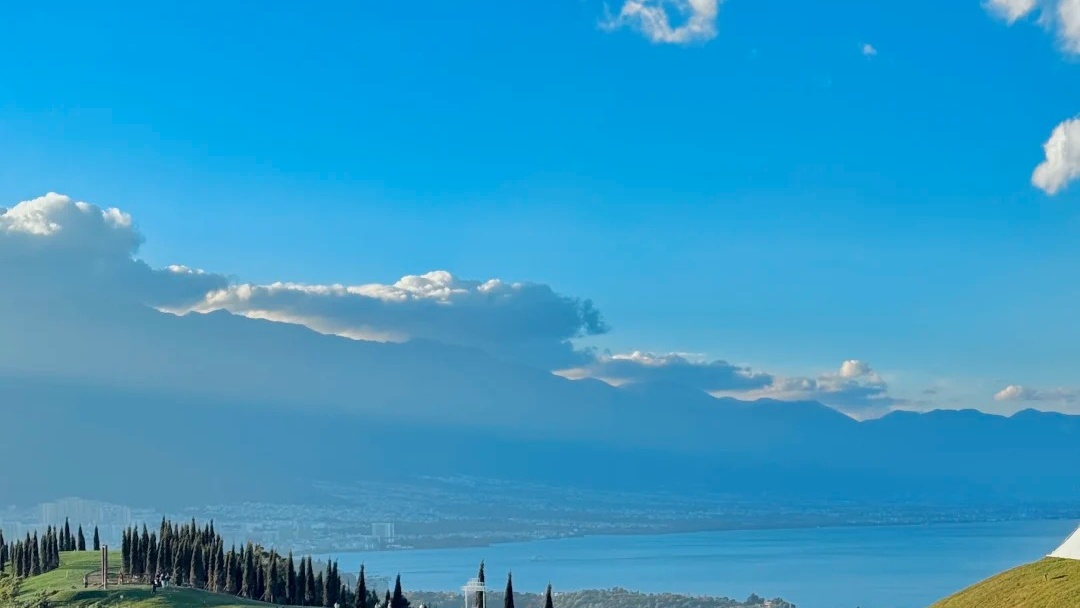
Erhai lake breeze: Where China's creative diaspora gathers for espresso, indie bookshops, and unhurried afternoons.
For decades, Dali has been the spiritual haven for China's artists, writers, poets, and independent coffee roasters fleeing Beijing and Shanghai. It is not a place for frantic sightseeing; it is a place for pure relaxation.
The Dali Experience at a Glance:
- The Vibe: Laid-back, bohemian, artistic, café culture, cycling along lakeside ecological corridors.
- Best Accommodation: Designer boutique villas directly over the water in Shuanglang, or preserved Bai ethnic heritage courtyards in Xizhou.
- The Secret: Skip the crowded commercial souvenir shops in the central old town; rent an electric bike or private car to explore the ancient tie-dye courtyards of Zhoucheng.
02.Lijiang: Timber Courtyards & Living Naxi Heritage
At 2,400 meters, Lijiang is where alpine snow peaks enter the visual field with dramatic force. Towering directly behind the town is Jade Dragon Snow Mountain (玉龙雪山), its jagged limestone pinnacles piercing the clouds like a silver dragon.
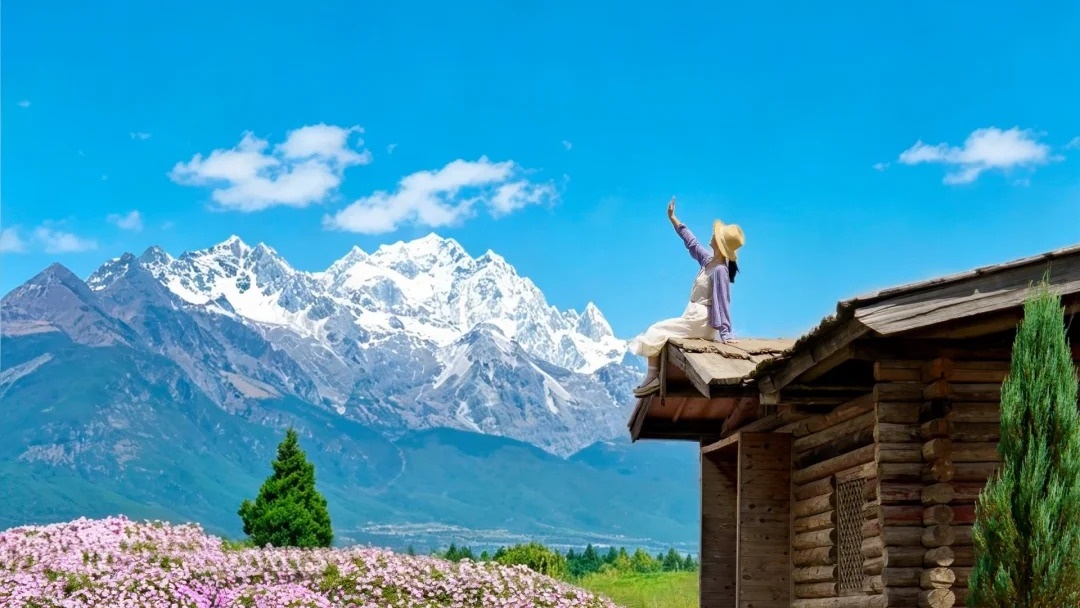
Lijiang's living architecture: Century-old timber courtyards framed by wildflowers and towering alpine snow ridges.
Lijiang's heart is the UNESCO World Heritage Dayan Ancient Town, characterized by a centuries-old network of clear water canals flowing past hand-carved timber houses.
The Lijiang Experience at a Glance:
- The Vibe: Historic, architectural, dramatic mountain backdrops, living Dongba pictographic culture.
- Best Accommodation: Relais & Châteaux or heritage timber courtyards in quiet northern Dayan, or luxury retreat lodges in Baisha Village.
- The Secret: Wake up at 7:30 AM before tour groups arrive to hear the rushing canals and birdsong on wet cobblestones; spend an afternoon visiting the ancient Naxi embroidery institute in Baisha.
03.Shangri-La: Sacred Peaks & Wild Alpine Luxury
At 3,160 meters, the air turns crisp and diamond-clear. Here, the landscape transitions from lush subtropical valleys into the grandeur of the Tibetan Plateau.
Golden-roofed lamaseries with fluttering prayer flags, herds of yaks grazing across Napa Lake wetlands, and the world's largest golden prayer wheel define this spiritual sanctuary. Further west lies Mount Kawagarbo (Meili Snow Mountain), the sacred unconquered peak.
The Shangri-La Experience at a Glance:
- The Vibe: Sacred, contemplative, vast wilderness, Tibetan monastic culture, snow mountain epiphanies.
- Best Accommodation: Songtsam Linka or Tibetan stone boutique lodges with hydronic floor heating and 24h diffused oxygen.
- The Secret: Visit Songzanlin Monastery at dawn to circle the holy lake as monks chant; gather around the copper fireplace in the evening with a bowl of simmering wild matsutake hotpot.
04.Head-to-Head Decision Matrix
Compare all three destinations across altitude, mood, hotel styles, and target traveler profiles:
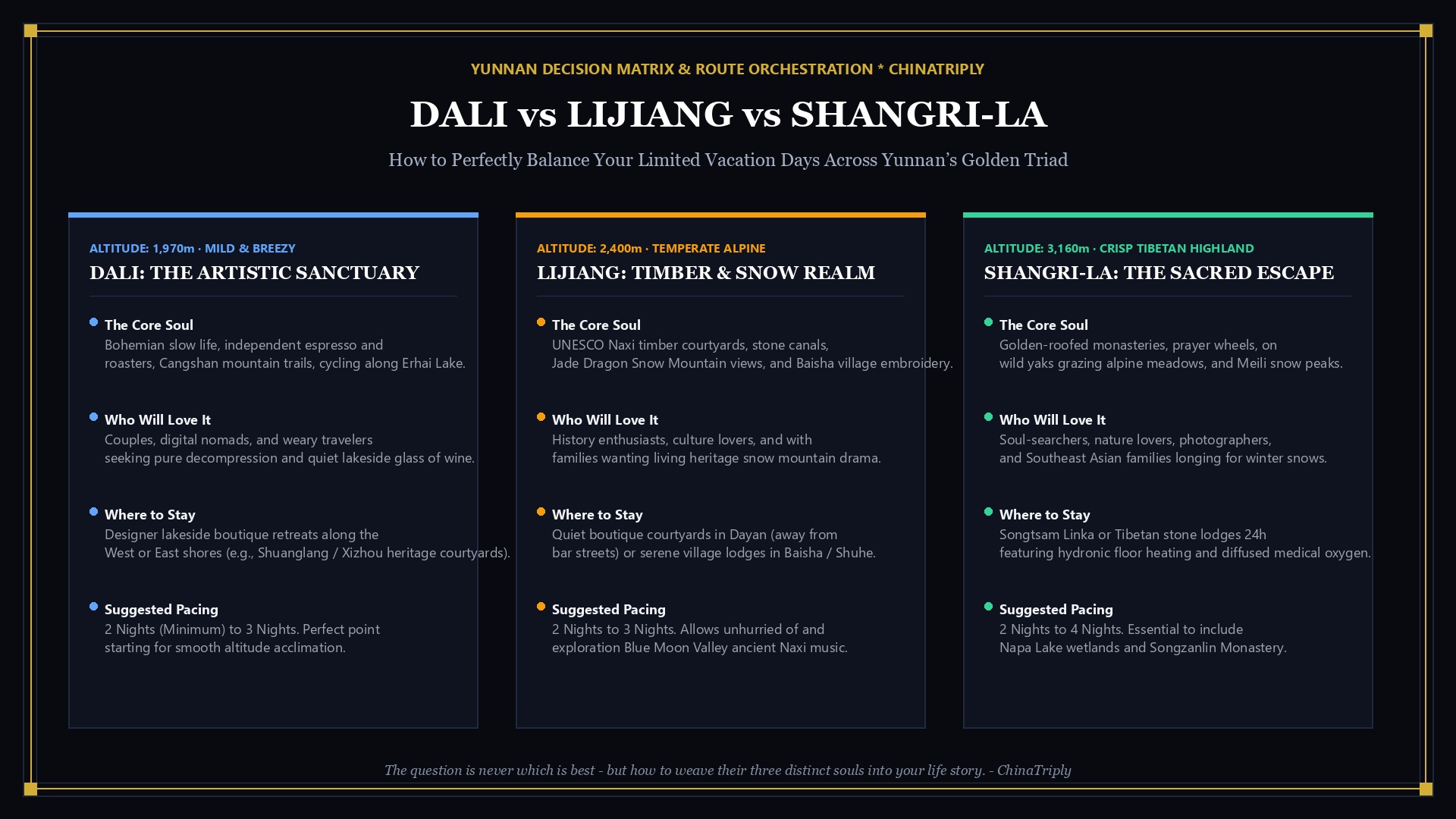
Figure 1: Direct architectural comparison and suggested stay durations across Yunnan's Golden Triad.
05.Scientific Day-Allocation Blueprints
Based on our experience curating private journeys, here is how you should split your vacation based on your available time:
The 5-Day “Quick Reset” Blueprint
Dali (2N) + Lijiang (3N)Best For: Singapore and Southeast Asian travelers taking a short long-weekend holiday without taking extended leave.
Why it works: Do NOT try to rush to Shangri-La in 5 days. Spend Day 1-2 unwinding along Erhai Lake, enjoying afternoon tea and gentle cycling. Then take a private 2-hour MPV to Lijiang for Day 3-5, exploring Jade Dragon Snow Mountain, Blue Moon Valley, and Baisha Village.
The 8-Day “Golden Triad” Blueprint (Recommended)
Dali (2N) + Lijiang (2N) + Shangri-La (3N)Best For: First-time visitors to Yunnan who want the complete, unhurried sensory spectrum from subtropical lake to Himalayan snows.
Why it works: Creates a flawless gradual altitude curve (1,970m → 2,400m → 3,160m). You decompress in Dali, delve into ancient history in Lijiang, and finish with the sacred monasteries and winter snows of Shangri-La.
The 12-Day “Grand Himalayan Overland” Blueprint
Dali (3N) + Shaxi (1N) + Lijiang (2N) + Shangri-La (3N) + Meili (3N)Best For: Connoisseurs of culture, photographers, retirees, and luxury slow-travelers with two full weeks.
Why it works: Includes the pristine, untouched Tea Horse Road market town of Shaxi, passes through the thunderous Tiger Leaping Gorge, and culminates with 3 nights facing the sacred Kawagarbo sunrise at Songtsam Meili Lodge.
06.Frequently Asked Questions
Can I travel between all three destinations entirely by high-speed bullet train?
Yes, the railway line connects Kunming → Dali (2h) → Lijiang (1.5h) → Shangri-La (1.5h). However, taking the train means you miss the stunning gorges, the ancient mountain town of Shaxi, and requires hauling heavy luggage through crowded station gates. For private travel, a dedicated chauffeured luxury MPV remains far more comfortable.
Which destination has the best food?
Each offers distinct culinary treasures. Dali excels in Bai ethnic dairy cheeses (Rushan), sour and spicy Erhai fish, and independent creative fusion bistros. Lijiang is renowned for black goat stew and cured pork ribs. Shangri-La is the ultimate capital for rich wild matsutake (松茸) chicken hotpots, yak butter tea, and roasted plateau barley cakes.

Unsure How to Split Your Days? Ask Emily for a Custom Diagnostic.
“Tell me your travel dates, who you are traveling with (parents, children, or partner), and whether you lean toward relaxation, culture, or alpine scenery. Within 20 minutes on WhatsApp, I will personally recommend the exact day allocation and boutique hotel combination that fits your rhythm perfectly.”